
Merit Award // Excellence in Architectural Design - Commercial / Institutional
Architect // SP Architects
GC // Chapman Construction
Engineer- Civil // Altis Engineering
Engineer- Structural // Roome and Guarracino Structural Engineering
Engineer-Mechanical and Plumbing // Design Day
Engineer-Electrical Engineering // Engineered Building Systems
Energy/Commissioning // Resilient Buildings Group
Description
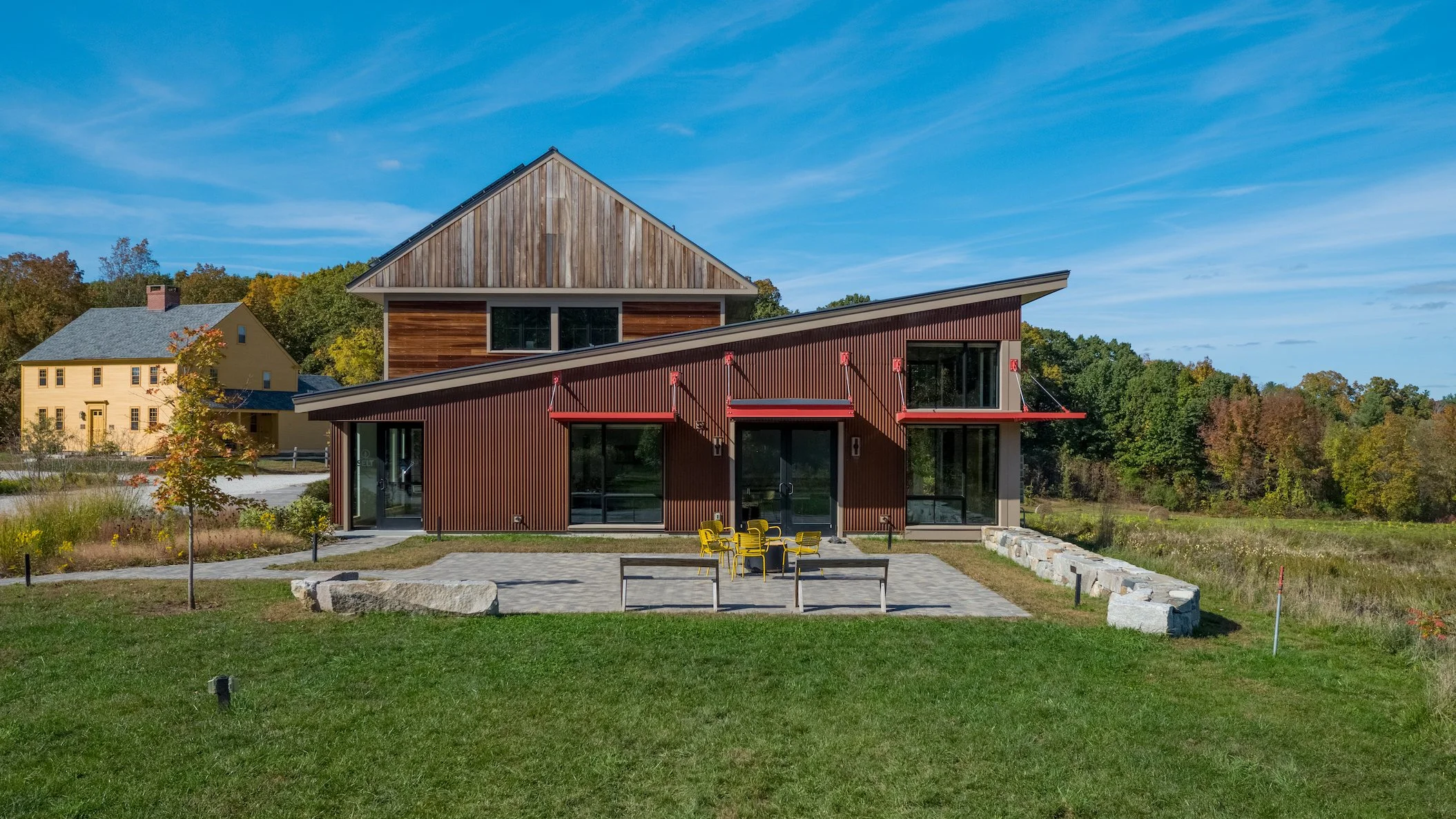
Set within a historic 237-acre farm in southeastern New Hampshire, this nonprofit land trust headquarters unites workplace, gathering, and educational spaces with a conserved landscape that serves as an immersive outdoor classroom. Drawing on the language of New England farm architecture, the campus forms a contemporary farmyard anchored by a 7,477-square-foot office and education center and a restored historic farmhouse adapted into workforce housing. Designed for Net-Zero performance, the all-electric campus combines air-source heat pumps, on-site solar generation, low-carbon wood construction, fiber-based insulation, regional finishes, Corten steel, and sunshades. The outdoor gathering spaces were designed for employees, school groups, and fundraising events, emphasizing the Land Trust’s shared commitment to honor the natural environment while celebrating the character of place.
Jury Comments
This project received a Merit Award in recognition of its ambitious ecological vision and comprehensive approach to regenerative design. The jury valued the project’s strong commitment to land conservation, environmental stewardship, and the integration of sustainability as a central architectural driver rather than a supplemental strategy. The project’s holistic environmental agenda, including self-sufficiency measures, photovoltaic systems, stormwater management, and the use of locally sourced materials, demonstrates how architecture can enhance performance while fostering environmental awareness and meaningful educational opportunities. The jury emphasized the importance of recognizing the strength of the project’s underlying intent and mission. Through its clarity of purpose, regenerative strategies, and commitment to ecological responsibility, the project represents a compelling contribution to sustainability-driven design.
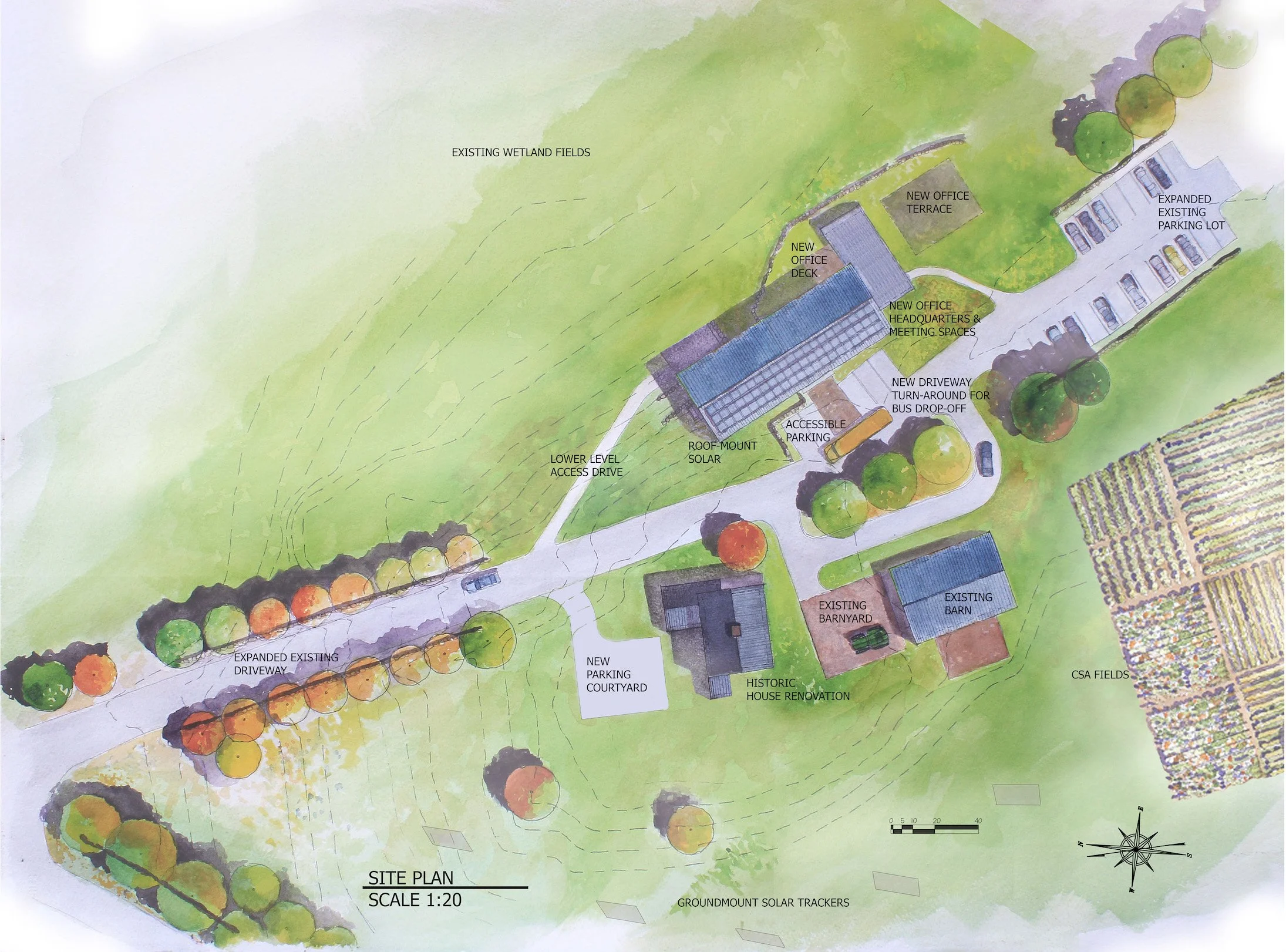
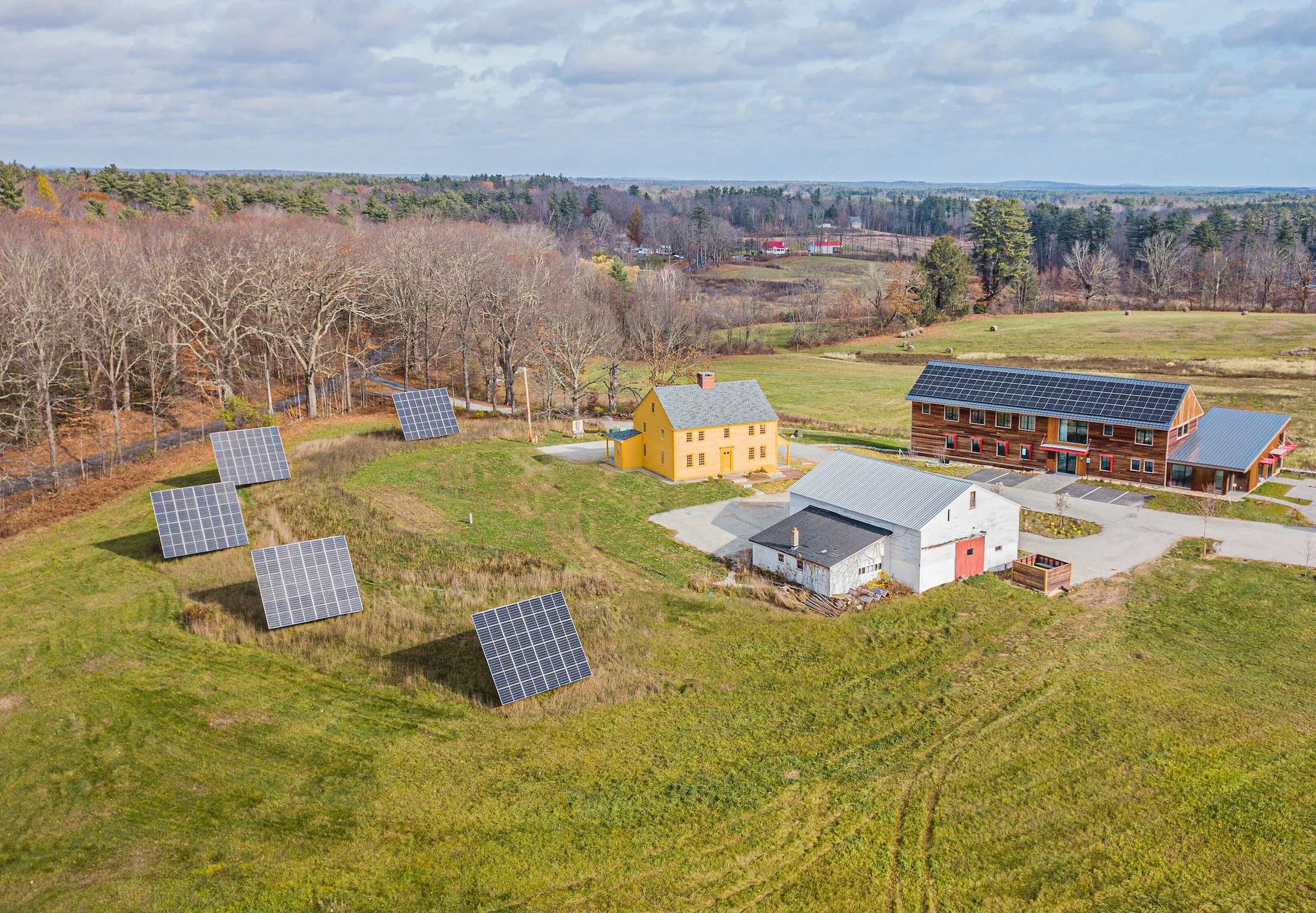
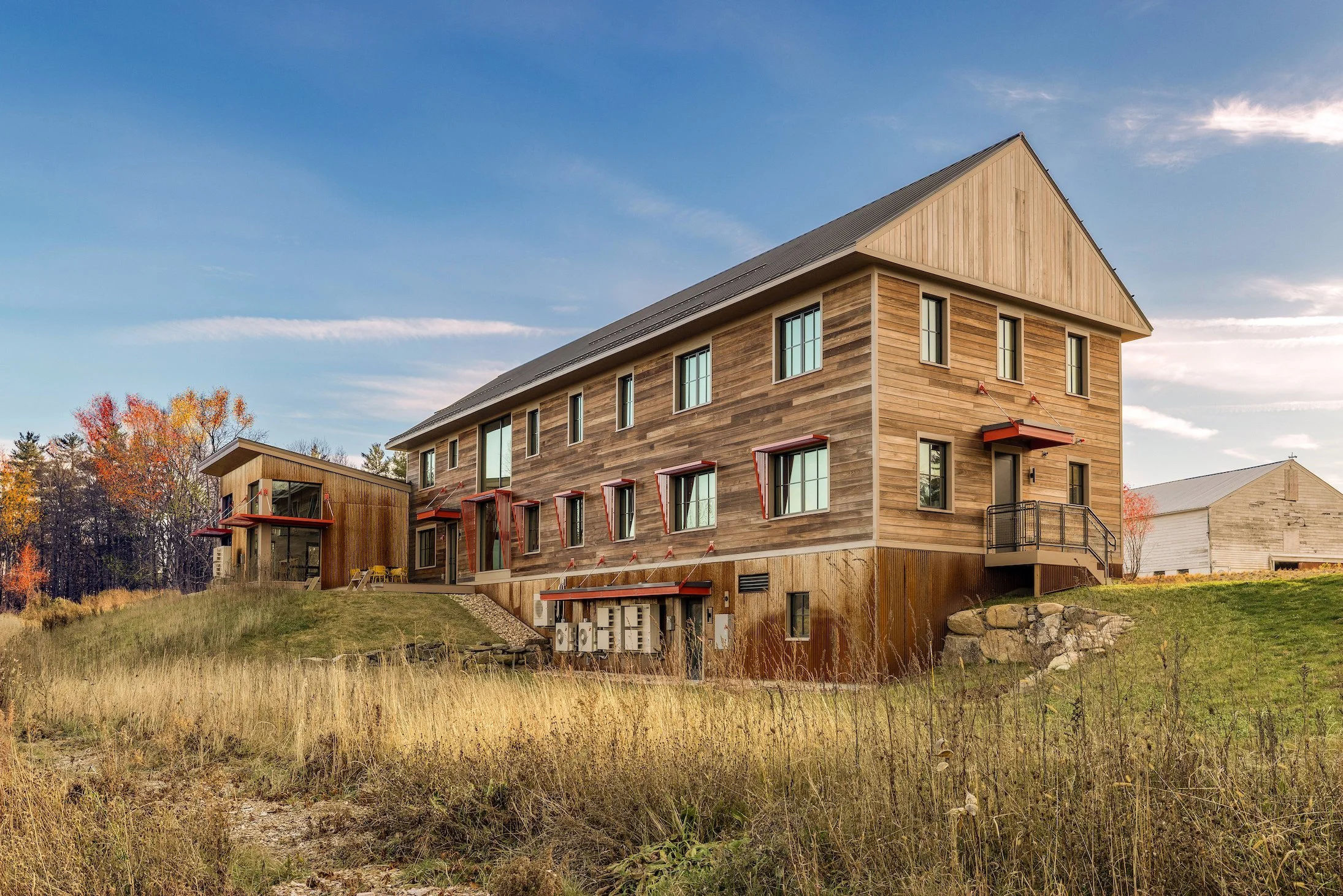
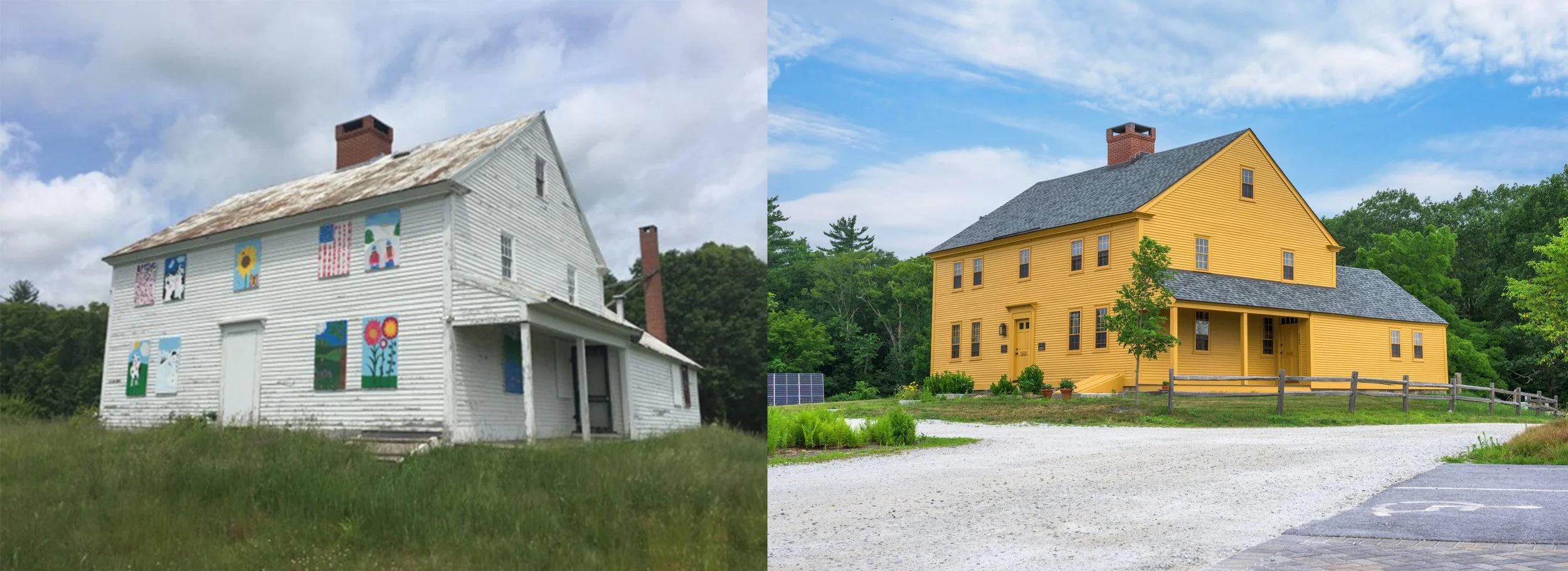
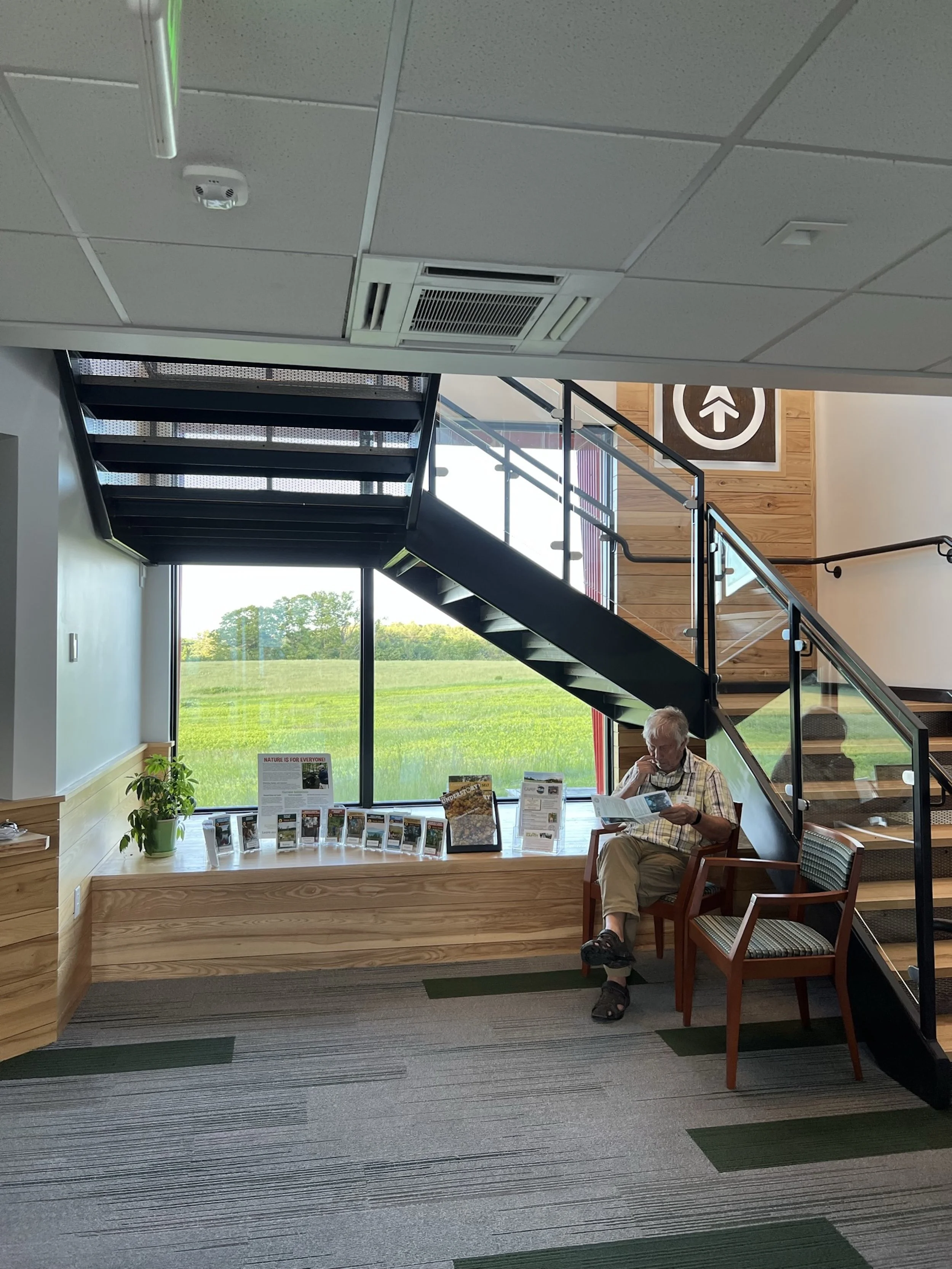
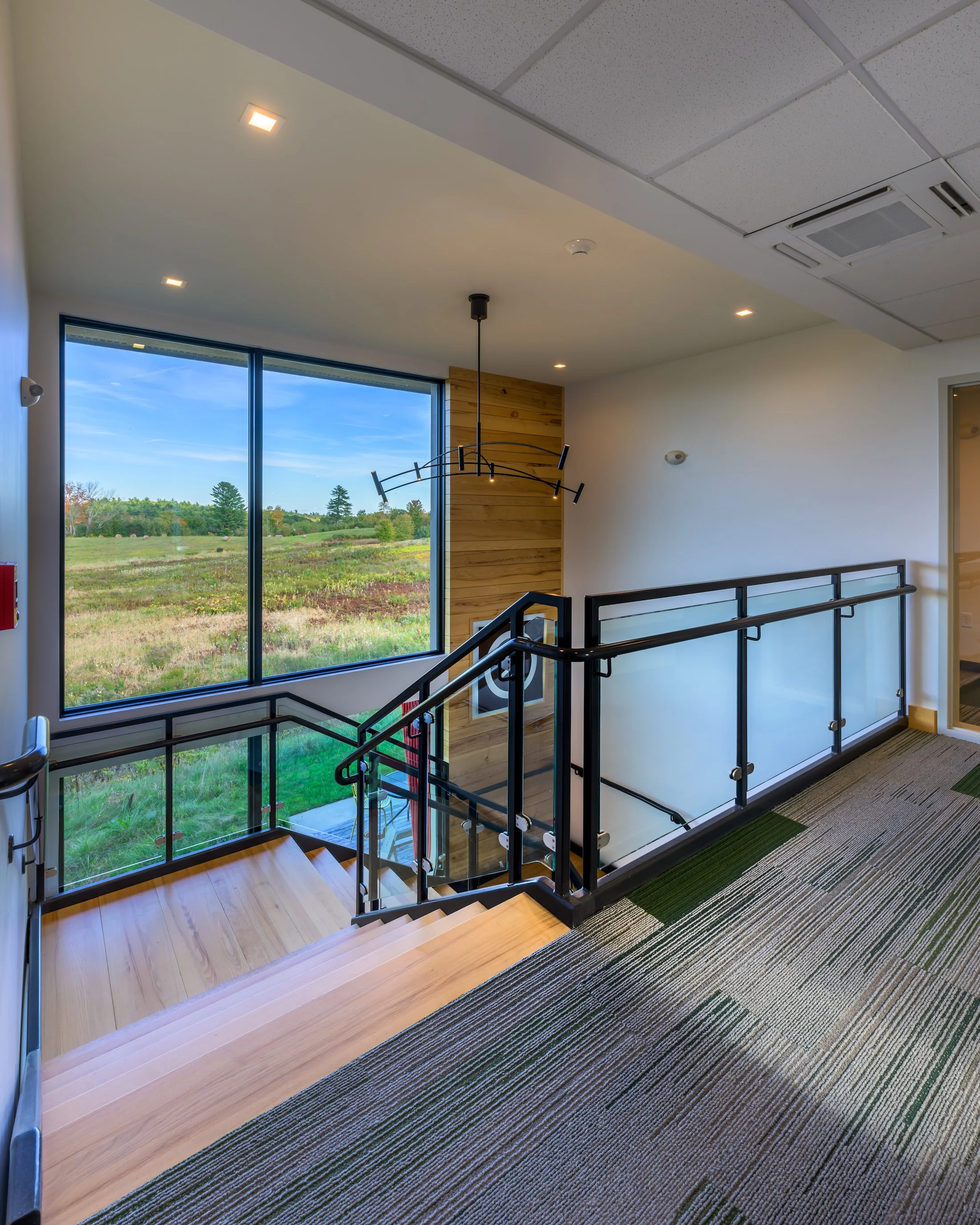
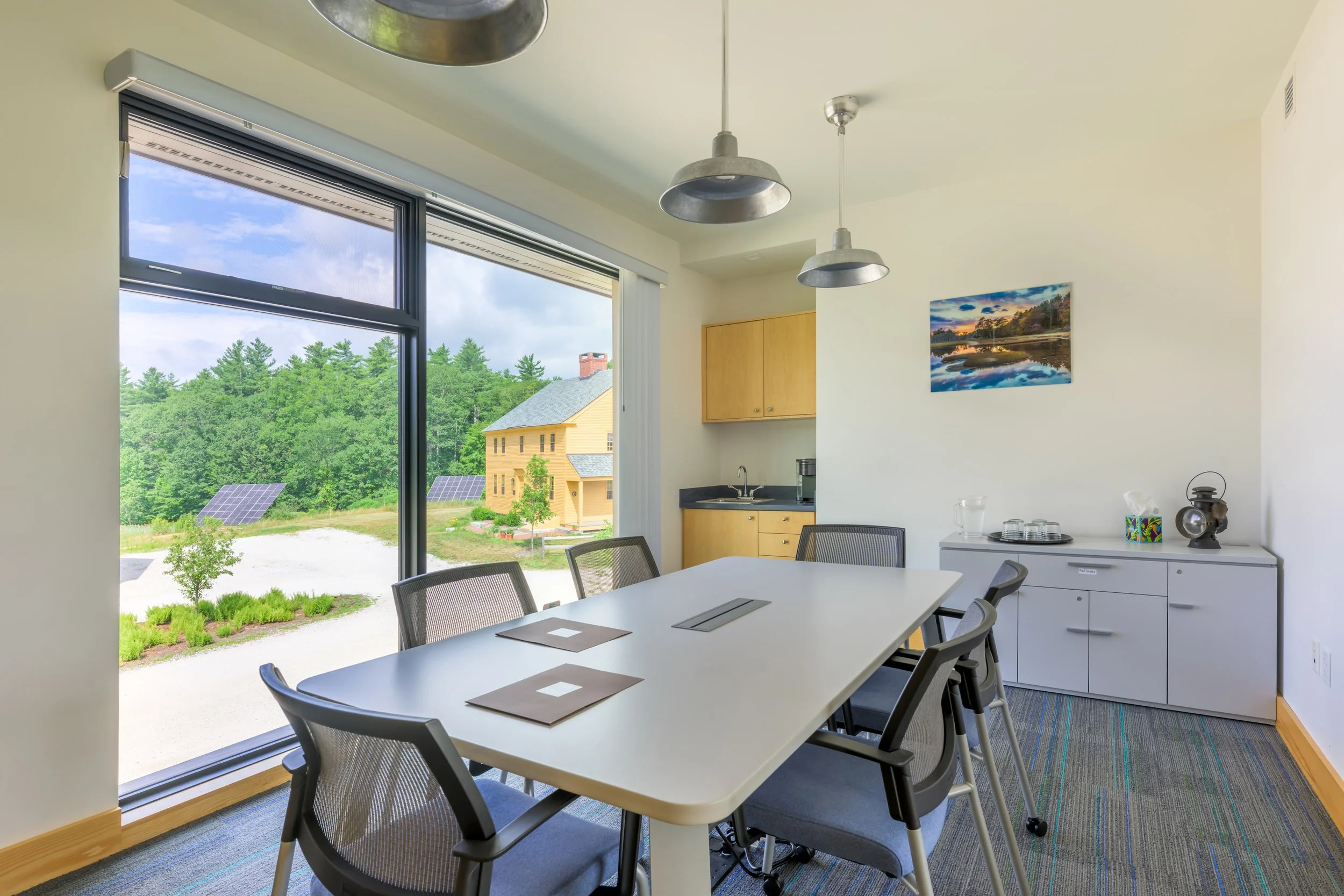
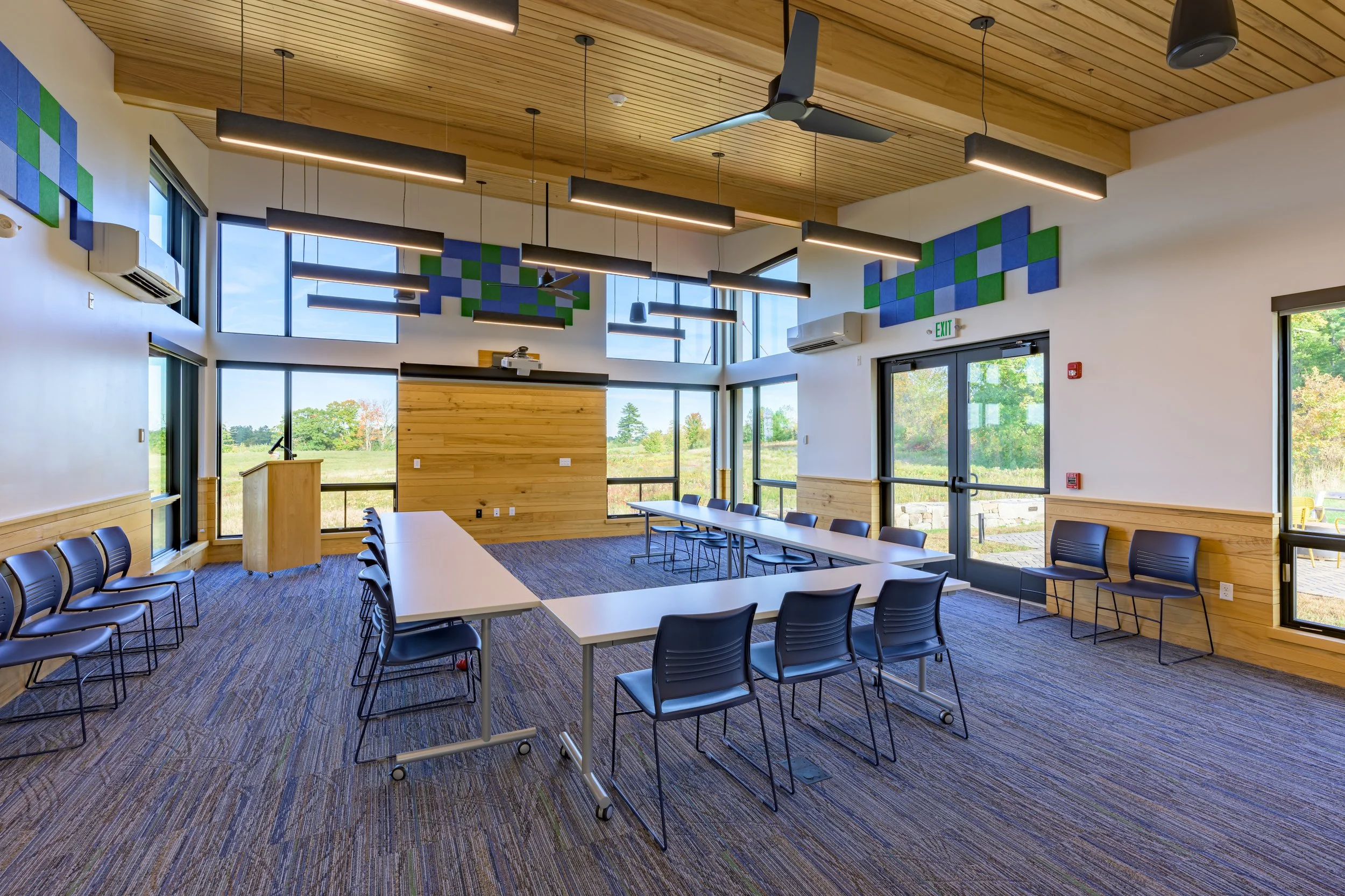
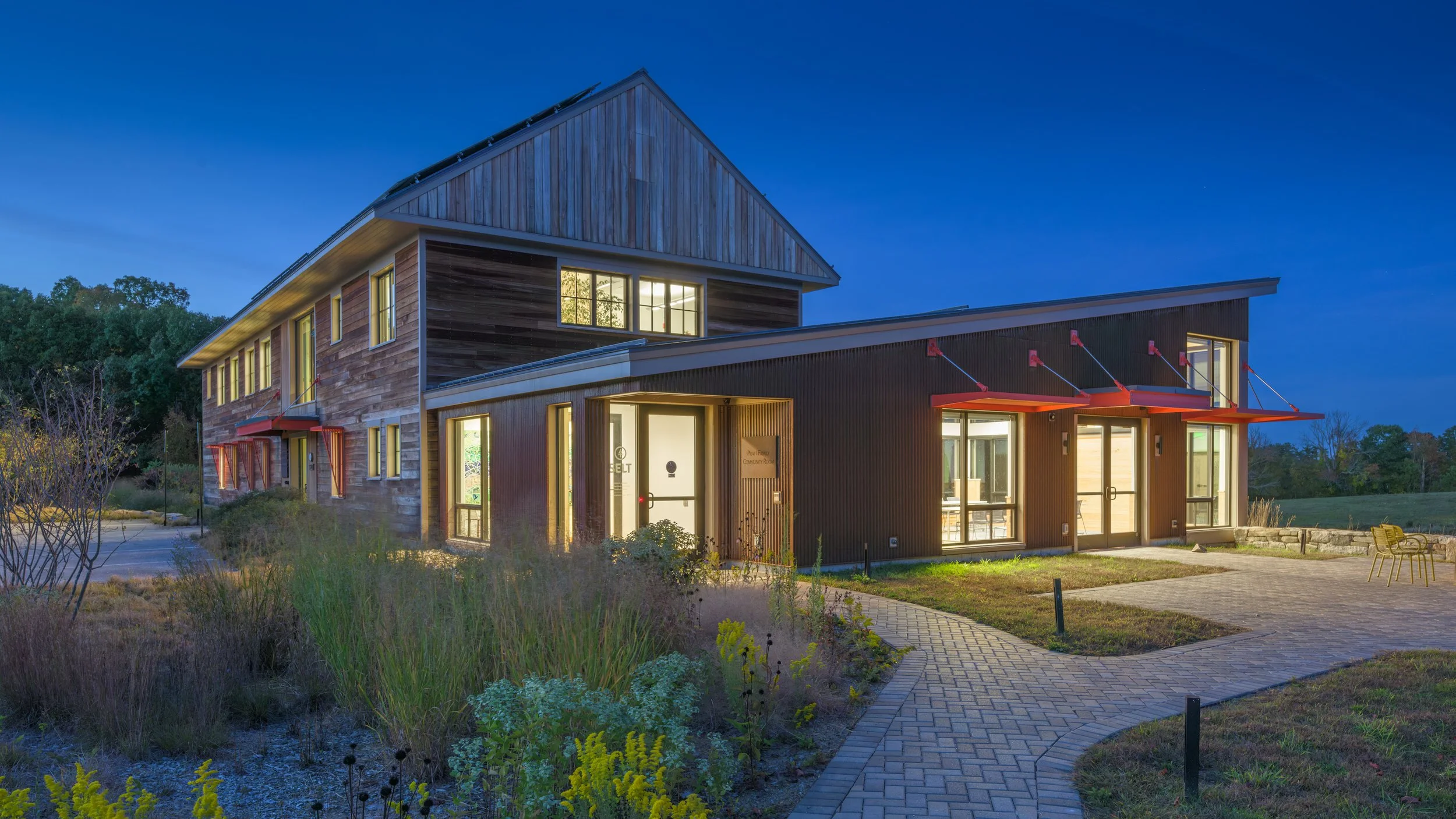
Photo credit: John Hession