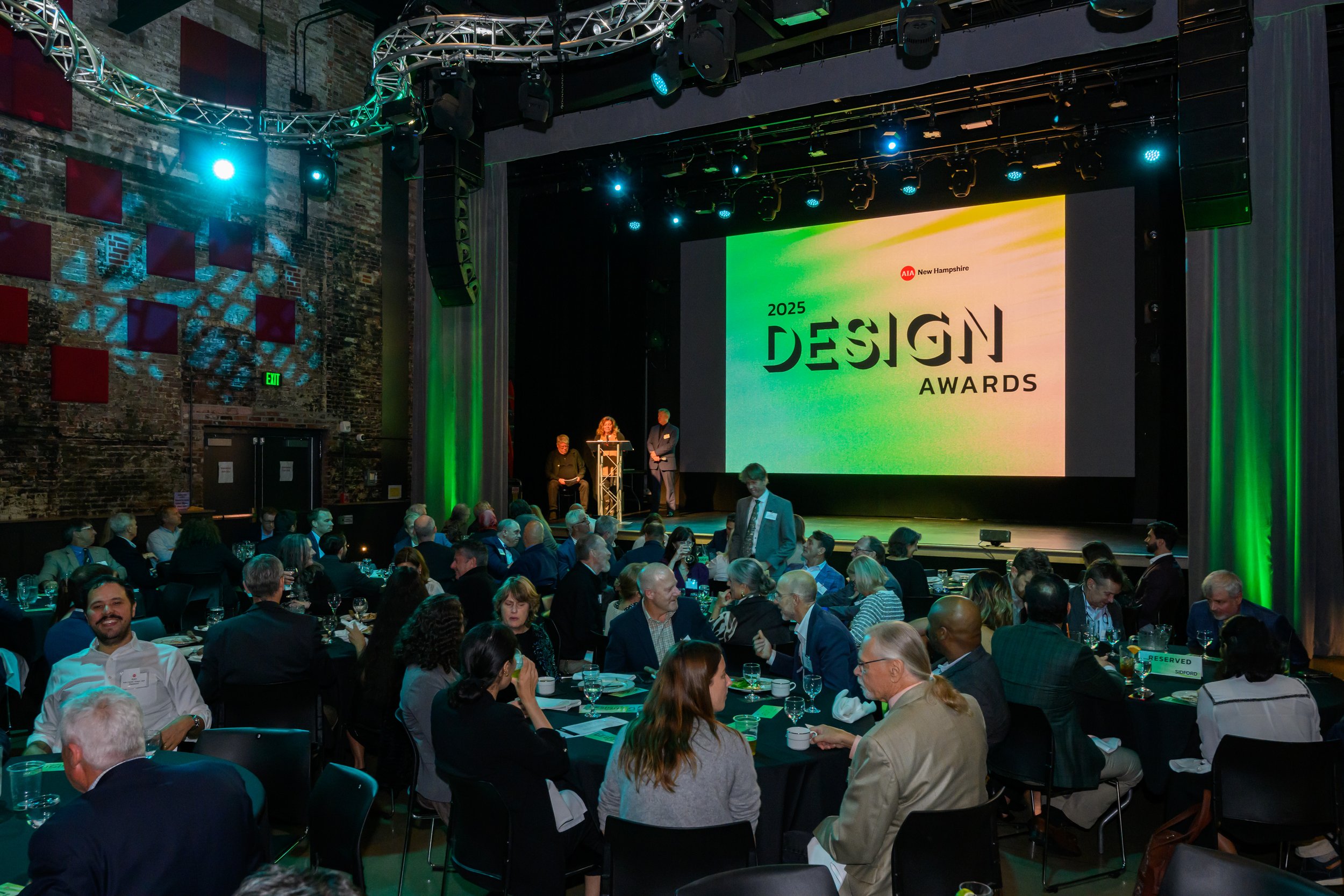
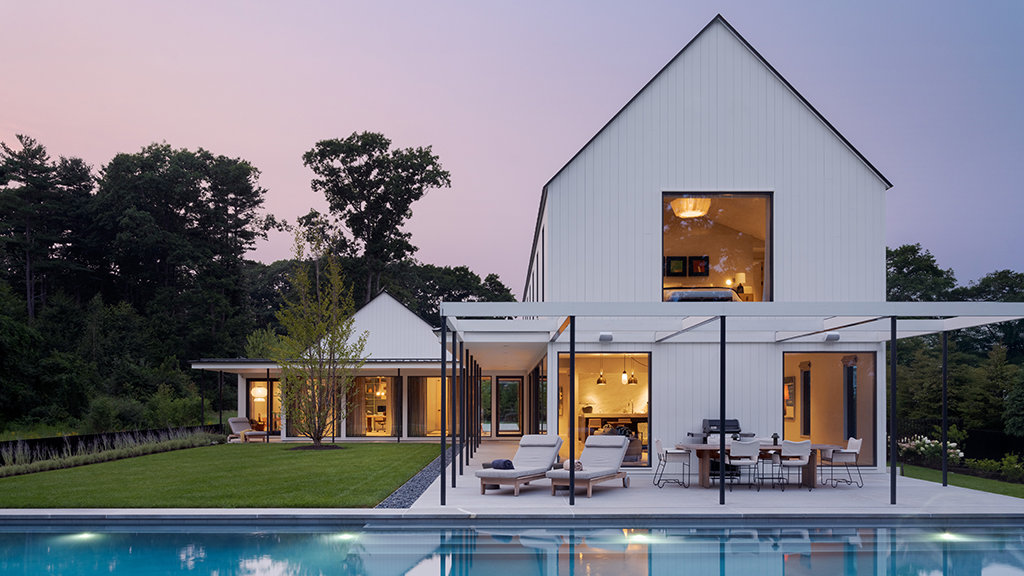
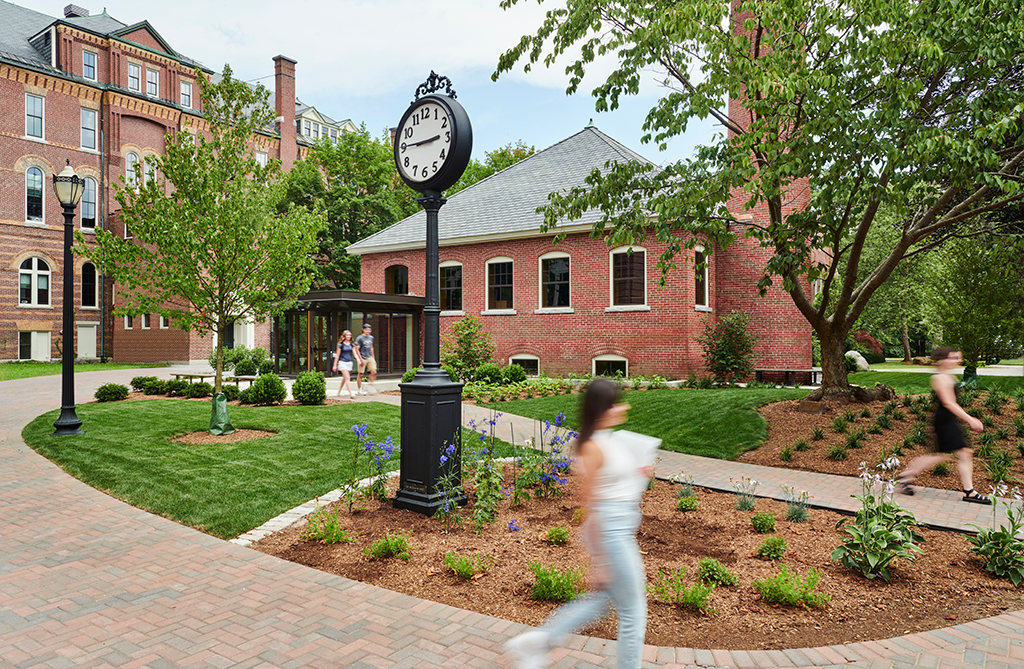
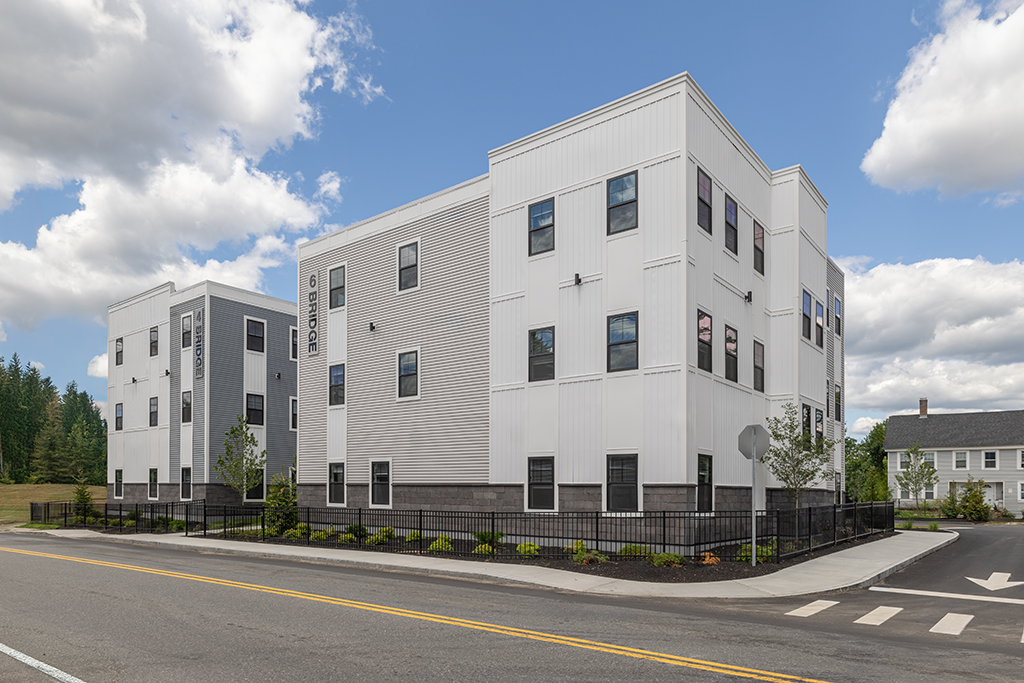
2025 Design Awards
Jurors’ Overall Comments
The 2025 AIA New Hampshire Design Awards jury convened on June 23 to review 23 total entries, a lesser number than usual we were told, primarily due to many practices having projects in process, rather than completed in time for submission. Regrettably, there was only one project submitted in the “small projects” category, and none submitted at all in the “unbuilt” category. Nonetheless, the jury, consisting of architects Thomas Chung, FAIA (LWA, Boston), Roy Decker, FAIA (Duvall Decker, Jackson, MS), and Susan Jones, FAIA (atelierjones, Seattle, WA), together with myself as chair, found great quality within the projects submitted, selecting eight completed projects for recognition and distinction.
Such proportional quality is to be commended, and the jury therefore encourages New Hampshire practices to enter more projects overall in 2026, and to not overlook the benefits of submissions in the “small projects” and “unbuilt” categories.
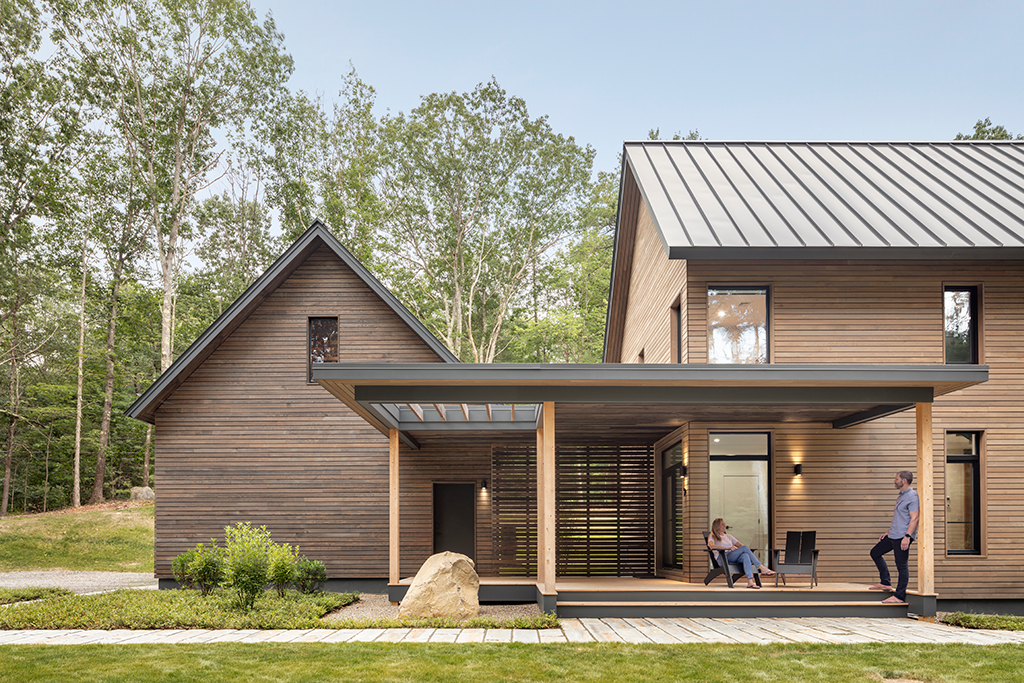
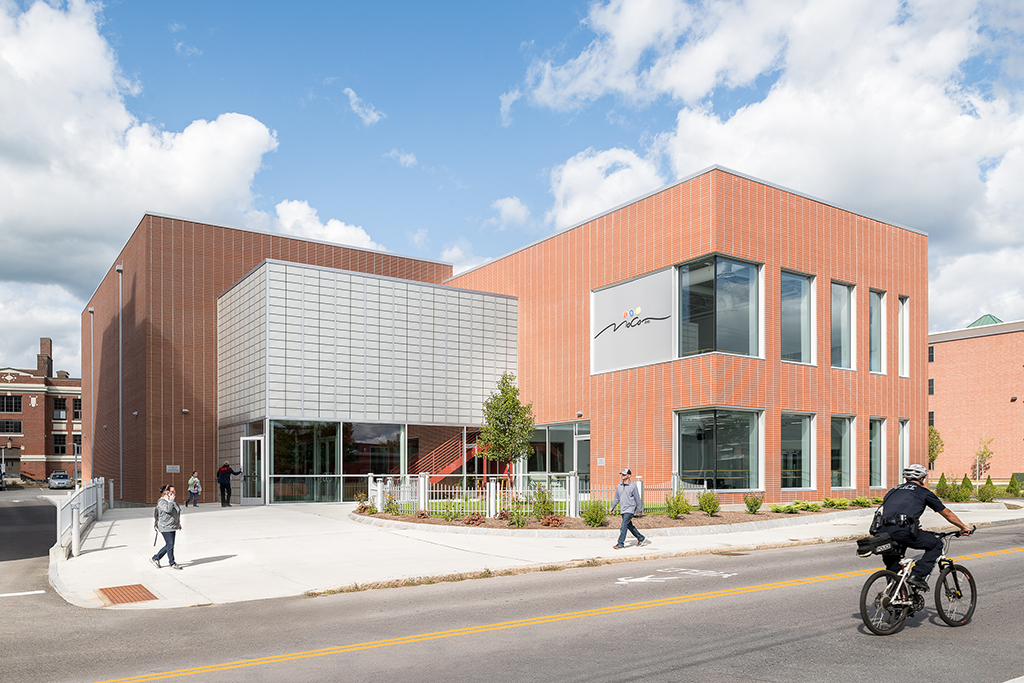
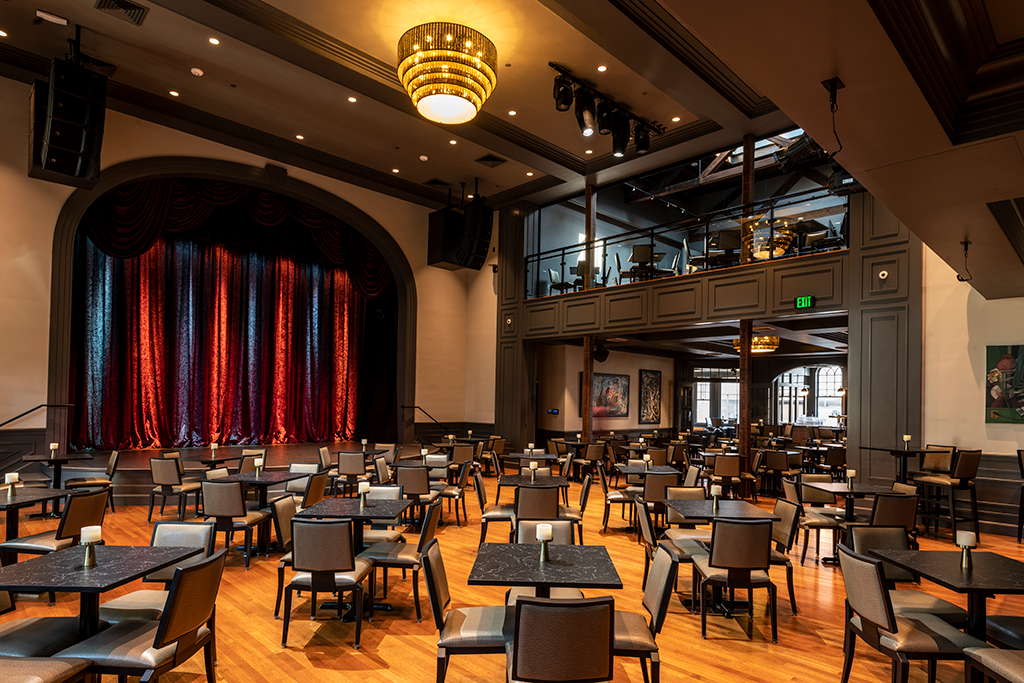
The jury noted an admirable diversity of building typologies among the submissions. Despite a strong number of residential projects (almost 40%) among the entries, project types ranging across affordable housing, performing arts and cultural centers, academic facilities, and public schools were visible and of high quality. This also speaks well of the character of architectural practice in the state and of the architectural ambitions of those commissioning architecture for the state’s cities and communities.
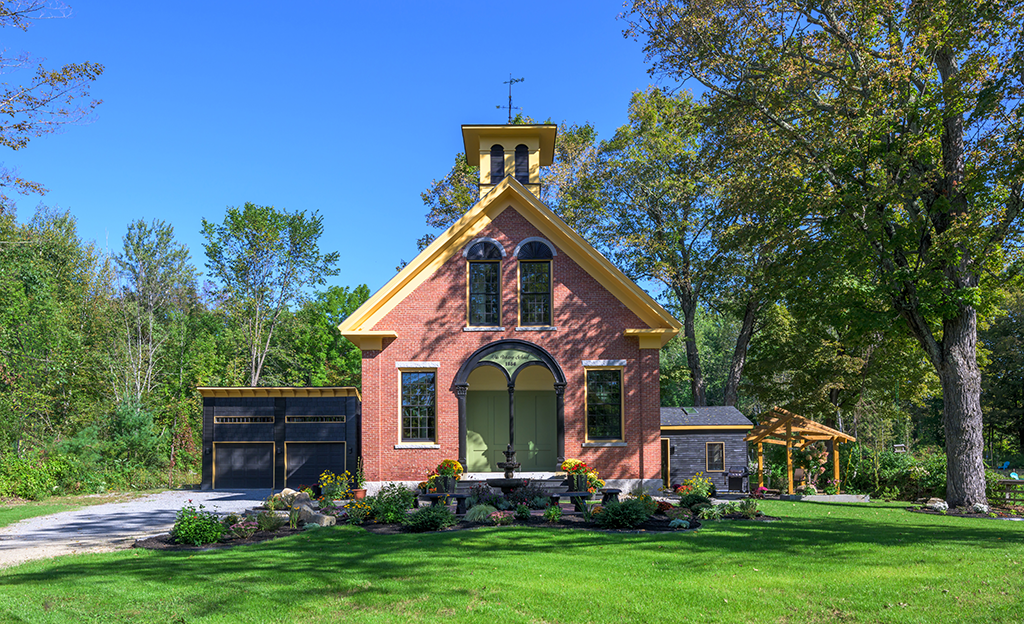
The jury recognized with admiration as well the existence of the Monohan Award category for the state and applauded the AIA chapter for the commitment to excellence in historic preservation, restoration, and adaptive reuse in this increasingly significant area of practice - indeed, many might say, the future of practice altogether.
That four projects out of the eight total recognized were awarded in the Monohan historic preservation / adaptive reuse category (two of which were re-situated by the jury to enable such recognition) reflects the jury’s belief that there is across the profession a general acknowledgement that sustainability is far more than, of course, LEED, and other measured standard systems. Sustainability undoubtably does involve adaptive reuse, renovation, and historic preservation; it is by now a truism that the greenest building is the one that's already built. In the back of the jury’s collective mind in thinking through these decisions was the intention to broaden that definition of how we understand sustainability not only for energy, or sustainability not only for carbon, but also sustainability for existing work.
The chapter’s emphasis on upholding the CoTE principles as a measure of excellence was also applauded by the jury. But the jury understood those principles less as strict grading system and more as a framework for decision-making, in which the ultimate “test” of design excellence is the assessment of a project’s intensification of the inhabitant’s quality of life - understood not simply by a set of metrics, but by the demonstrations of a heightened physiological and psychological sense of well-being within the architectural environment. As importantly, and certainly at the civic scale, the jury sought and found convincing architectural demonstrations of a heightened sense of civic engagement and public purpose, to the good of both immediate context and civic or institutional mission.
For these stimulating discussions, for the quality of the submissions, and for the pleasure of making the awards, the jury extends its gratitude to all members of AIA New Hampshire. Special thanks are due to Michael McKeown, awards committee chair, for his invitations, and to Bonnie Kastel, executive director, for her sure and thorough organization and guidance of the process.
Peter MacKeith, Associate AIA
Dean and Professor
Fay Jones School of Architecture and Design, University of Arkansas