
Citation Award // Rick + Duffy Monahon Award for Design Excellence in Architectural Restoration and Preservation
Architect // PROCON
GC // PROCON
Historic Architect // ARCove Architects
Civil Engineer // Norway Plains Associates, Inc
Engineer - Civil // TF Moran
Mechanical/Electrical Engineer // WV Engineering Associates
Structural Engineer // PROCON
Landscape Architect // Woodburn & Company
Description
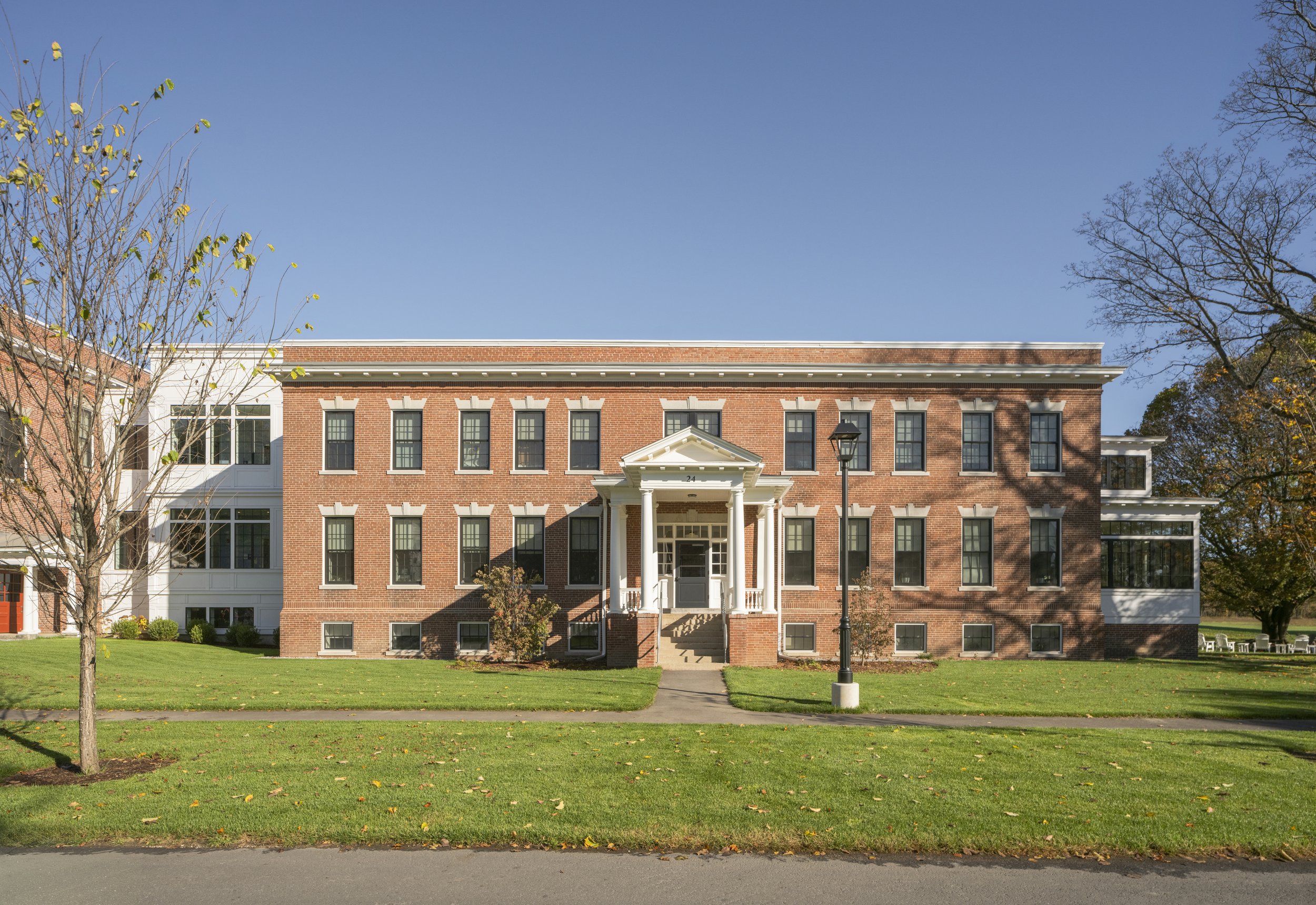
The Easterseals NH Military & Veterans Campus transforms eight long-vacant historic buildings on the Daniel Webster Farm in Franklin into New Hampshire's first campus pairing veteran housing with extensive on-site services. Designed and built by PROCON for Easterseals NH, the adaptive-reuse project rehabilitated eight historic buildings, the earliest from 1873, across 15 riverside acres adjacent to the Merrimack River. Phase I delivers 29 deeply affordable apartments alongside a centralized Hub of Services and Retreat Center that gathers veteran-serving organizations under one roof. Working within a Preservation Easement and the Secretary of the Interior’s Standards, the team reconciled rigorous preservation with full modernization, accessibility, and energy upgrades, including rooftop photovoltaics carried on discreetly reinforced historic roofs. Completed in August 2025, the project returns a site that had stood empty for years to active, dignified use, extending a 150-year legacy of shelter and service into its next chapter.
Jury Comments
This project received a Citation Award. The jury appreciated the careful rehabilitation of this cluster of existing buildings through a respectful and coherent restoration strategy, where each structure is addressed with tailored interventions that preserve its original character while renewing its accessibility and functionality for contemporary use. From the reconceived connector building to renewed entrances and restored vertical circulation systems, daylight is used as a key spatial and organizational element, bringing new clarity and centrality to the overall composition. The subtlety of each intervention, combined with its significant impact on user experience, circulation, and connectivity among programmatic elements, was recognized as a major strength of the project. The jury also valued the project’s symbolic importance within its community and its thoughtful response to the local social and environmental context, distinguishing it as a meaningful example of adaptive restoration.
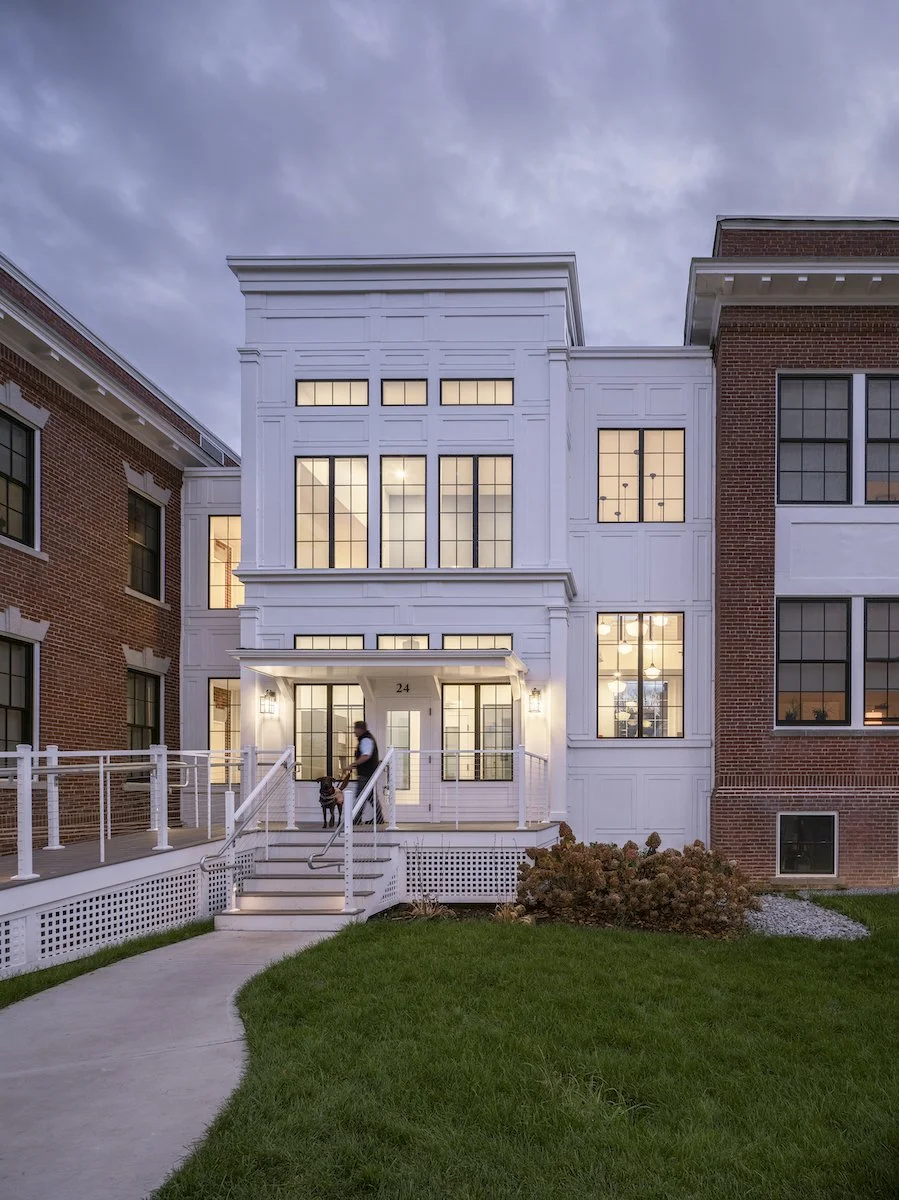
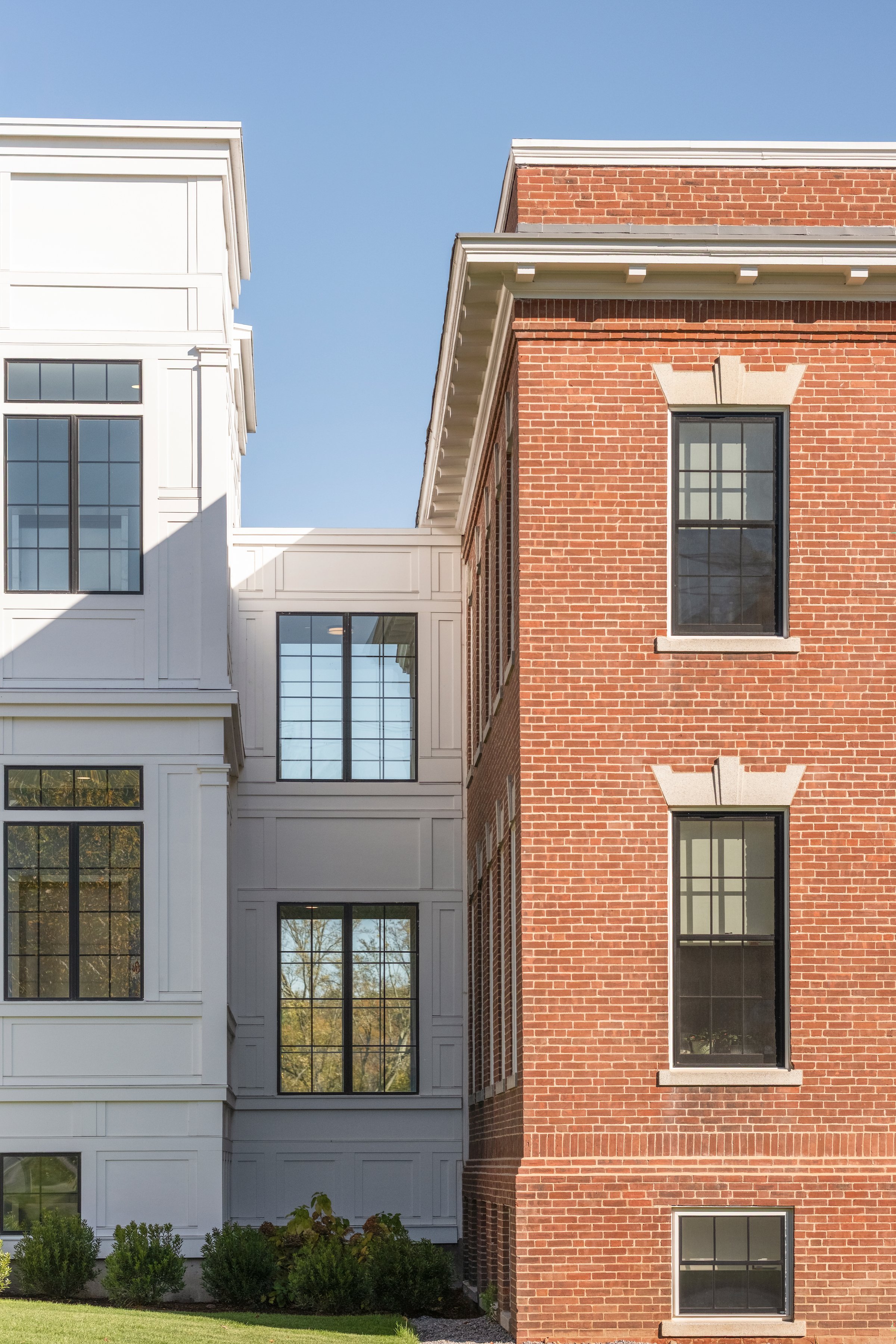
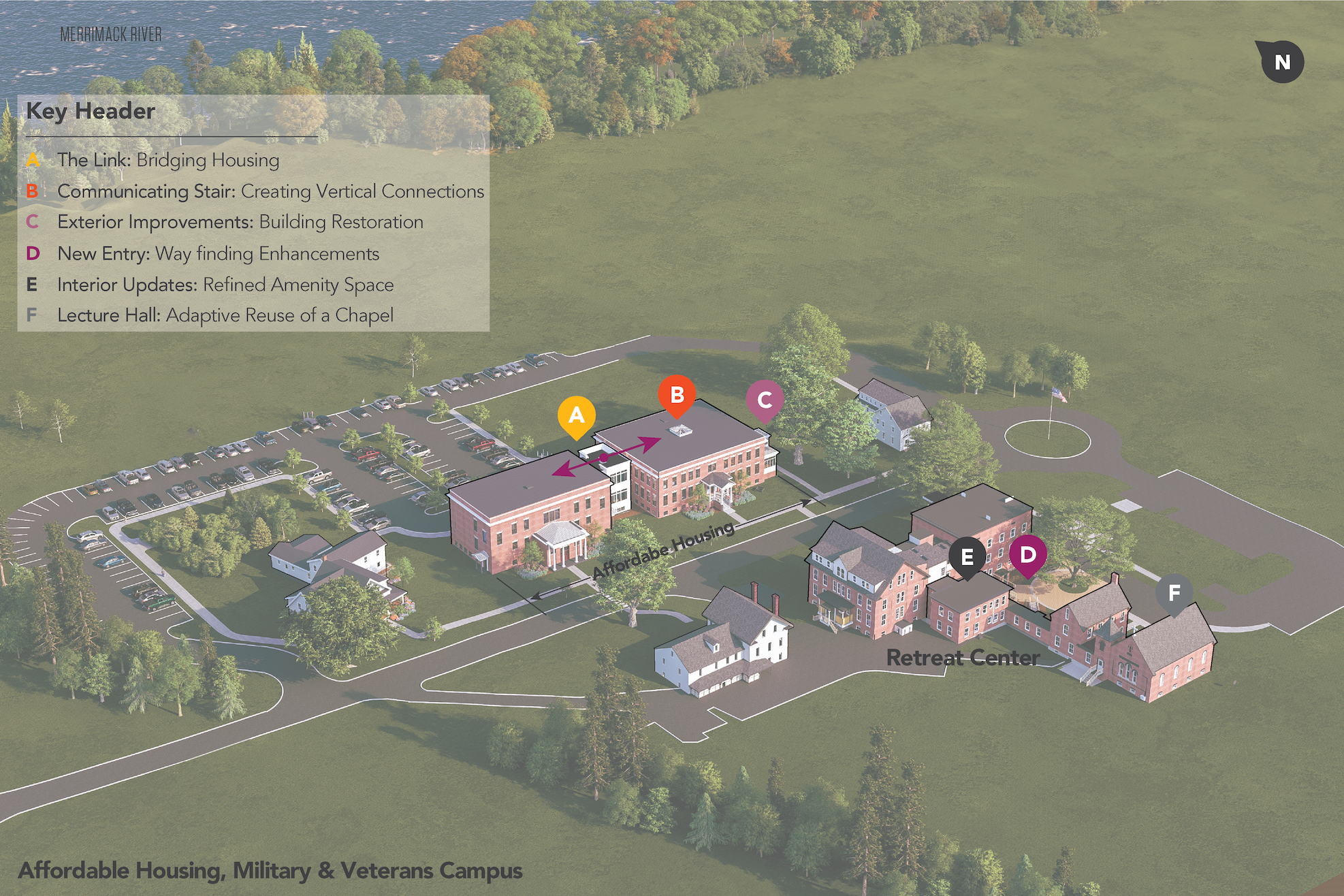
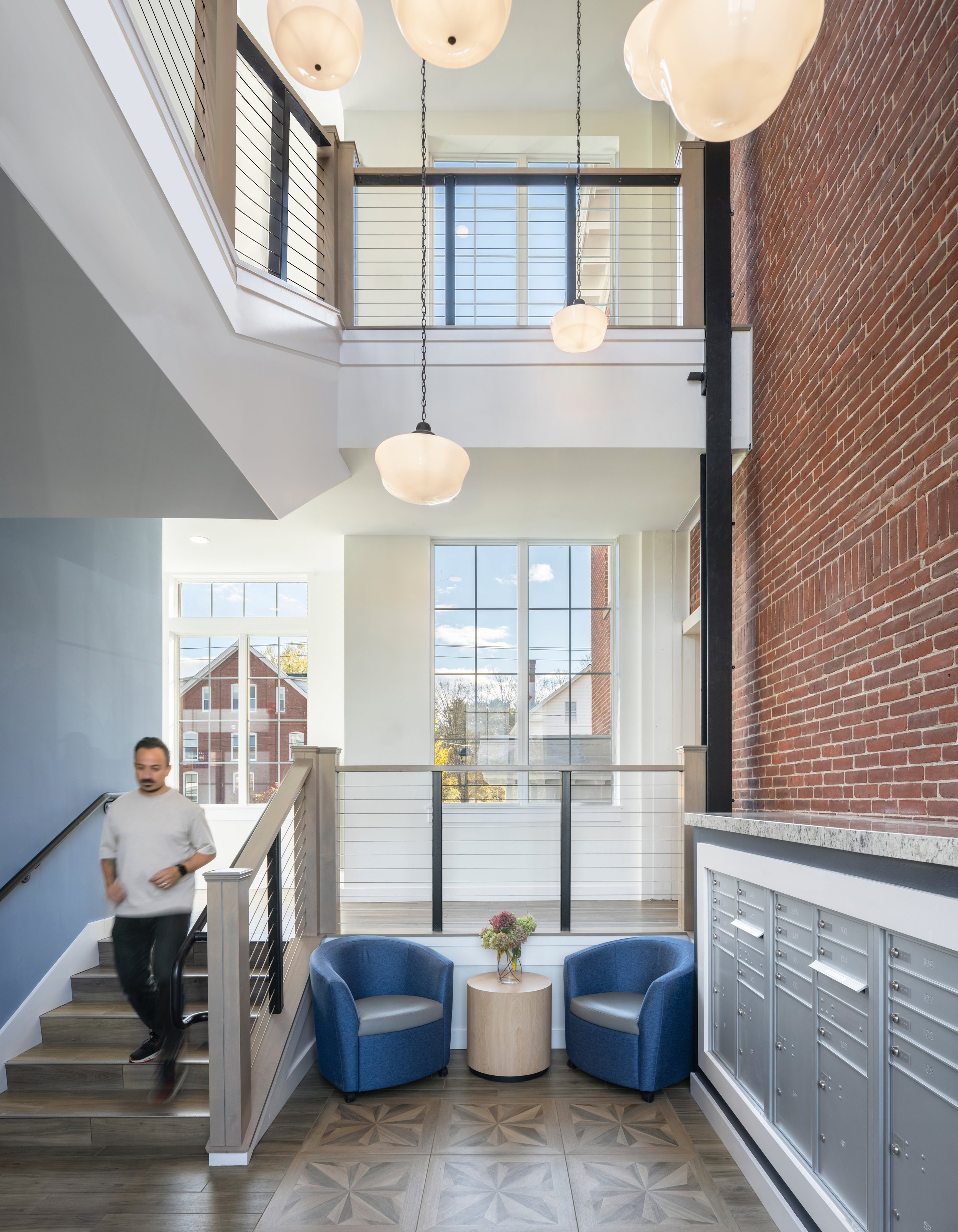
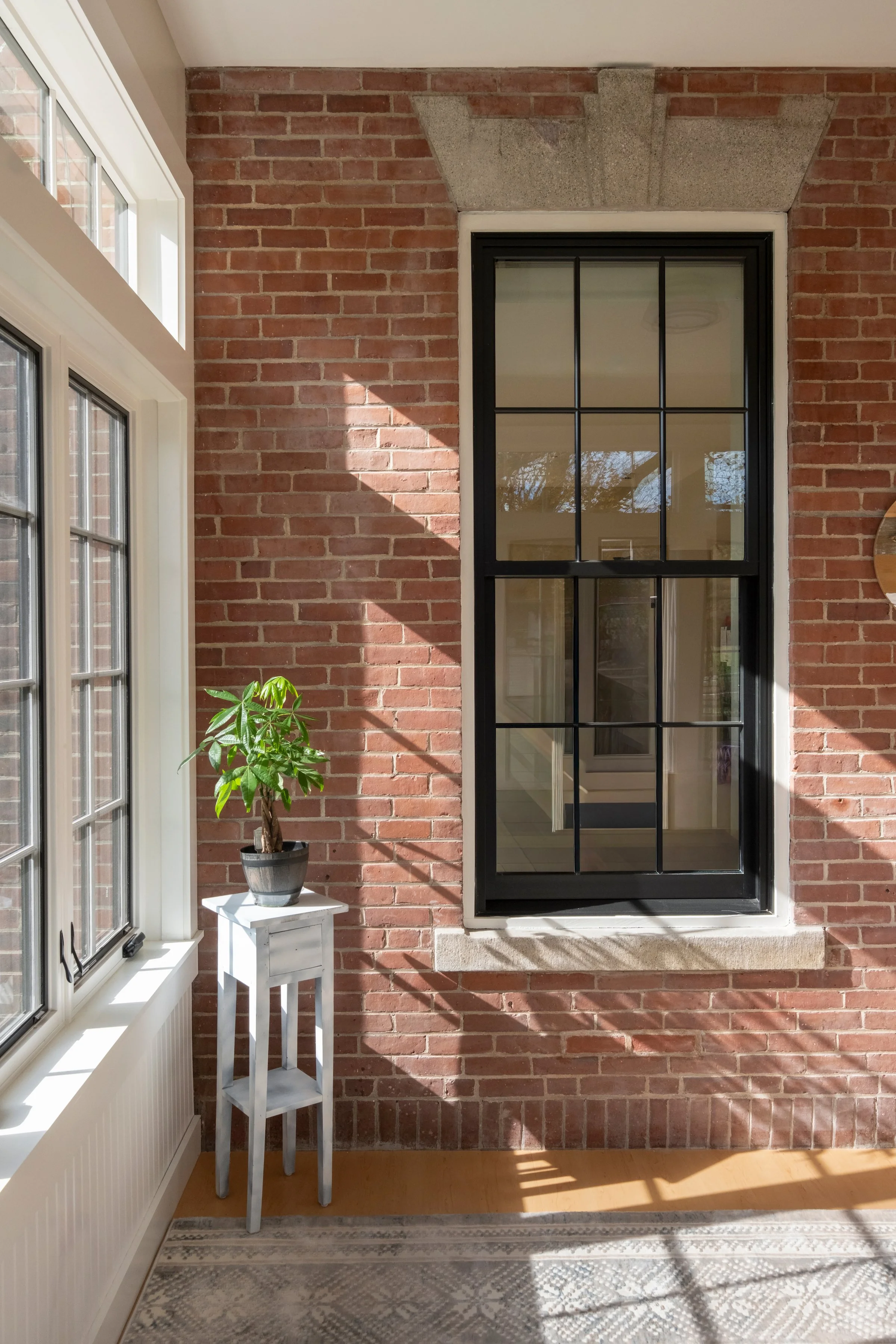
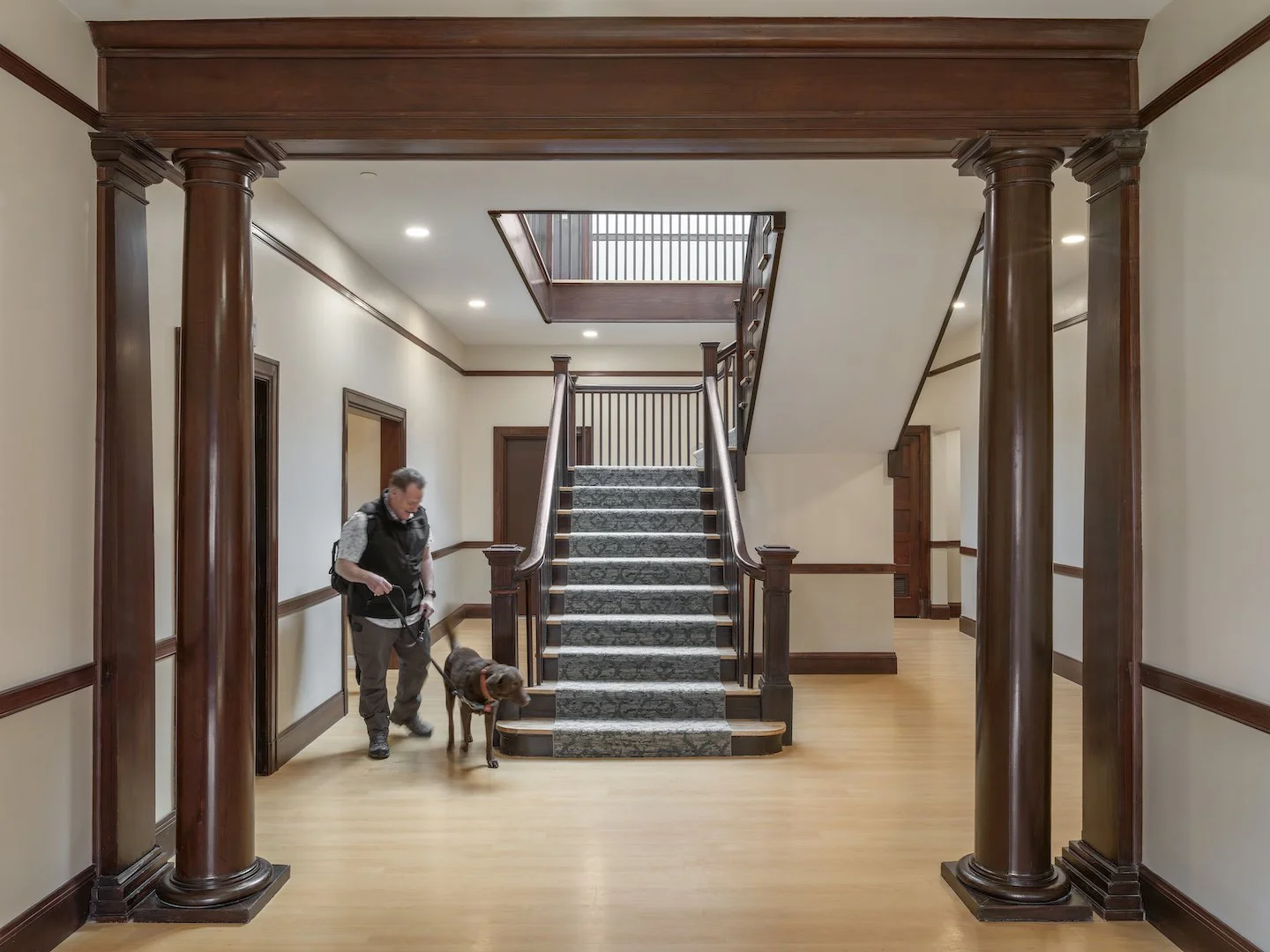
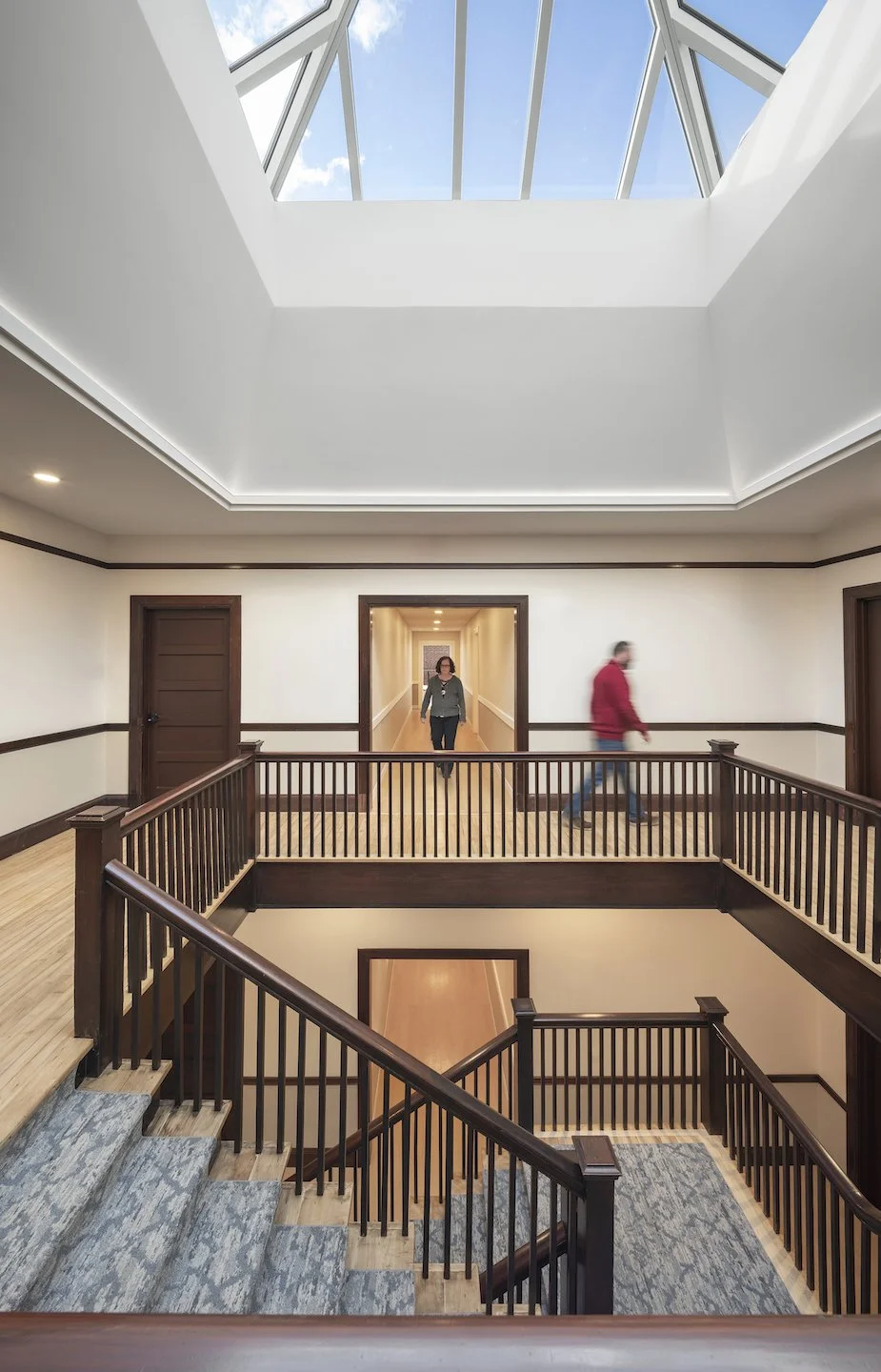
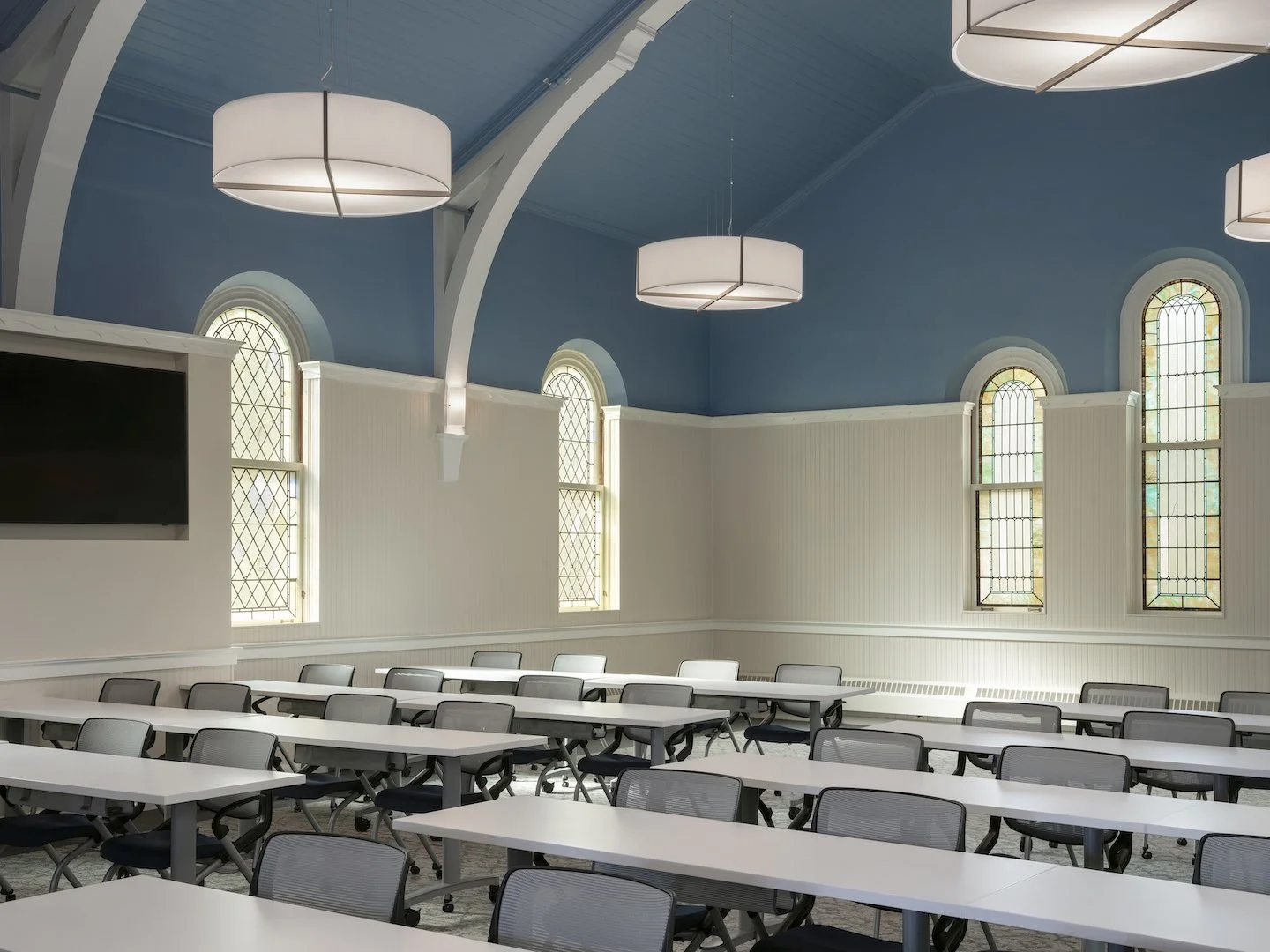
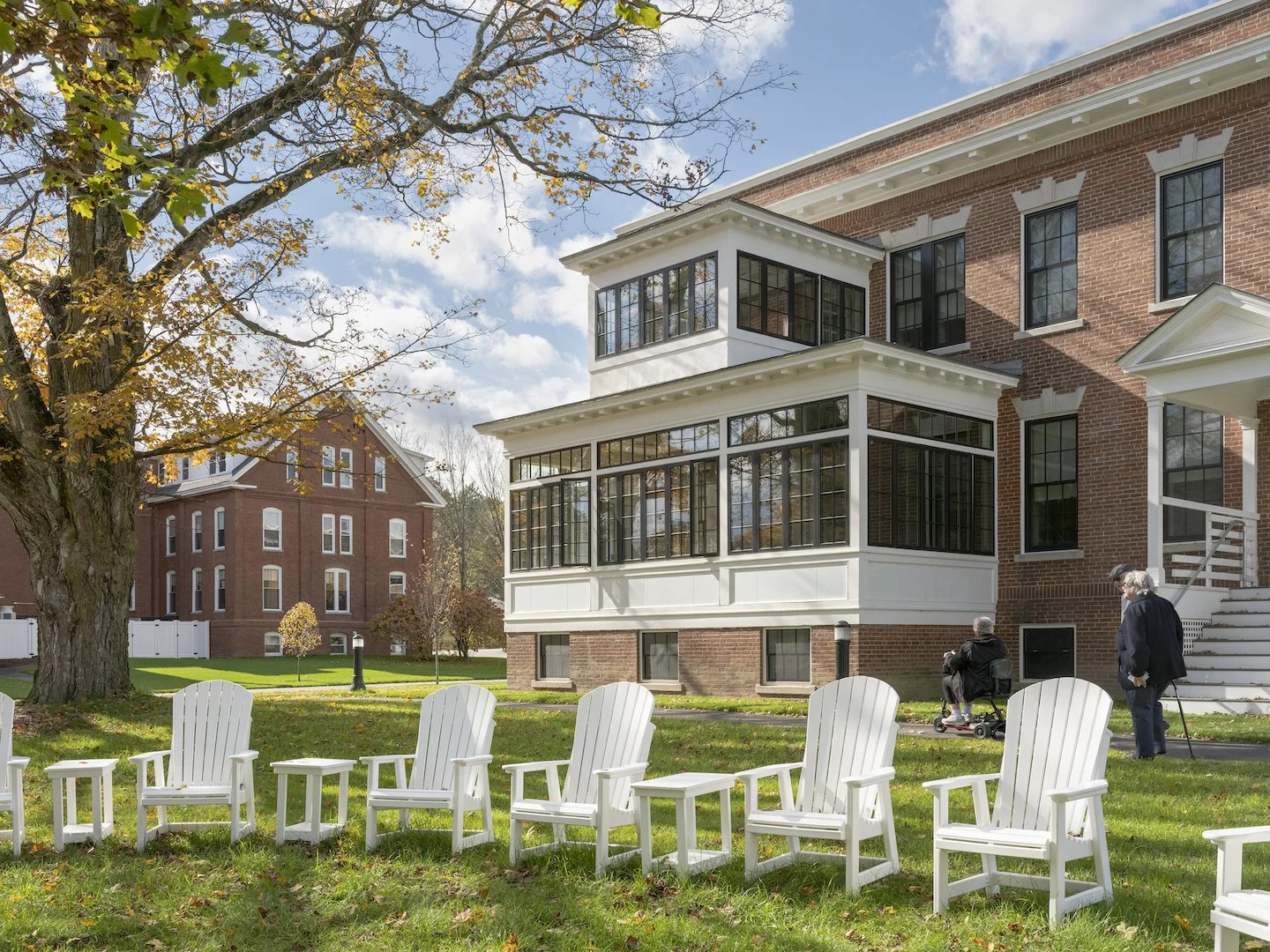
Photo credit: Trent Bell